
Language learning has always been a gateway to broader opportunities, whether for career growth, travel, or personal enrichment. However, the traditional classroom methods and textbooks are being reshaped by advancements in technology. Artificial intelligence (AI) is revolutionizing how we learn languages, using tools like machine learning and natural language processing (NLP) to create more accessible, personalized experiences for learners.
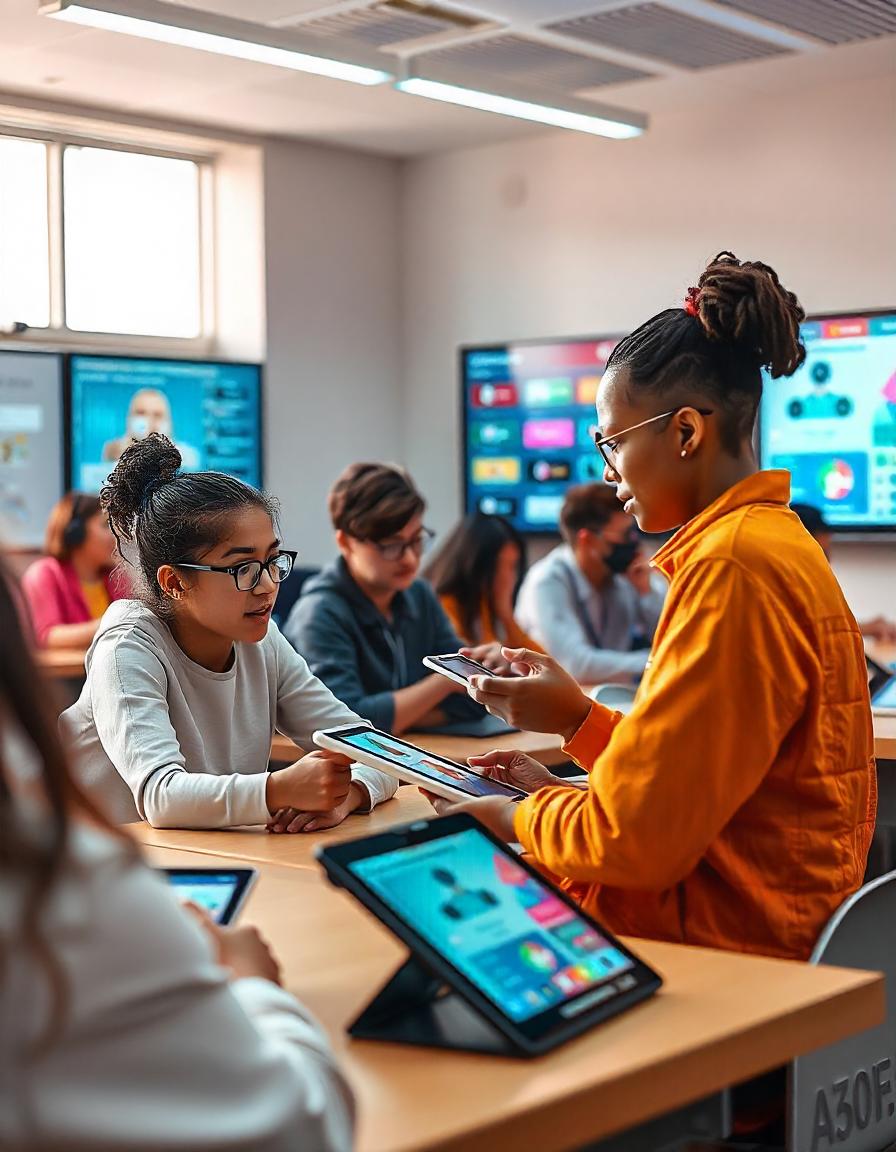
AI-powered platforms like Duolingo and Babbel are increasingly popular, allowing learners to progress at their own pace. These systems employ sophisticated algorithms to customize lessons according to the learner’s performance, adapting in real-time to their strengths and weaknesses. This approach not only enhances the speed of learning but also makes it more enjoyable. AI’s ability to tailor learning content to an individual’s specific needs sets it apart from conventional methods.
Traditional language learning often lacks the immediate feedback that AI can provide. While in a classroom setting, students may have to wait for a teacher’s response, AI platforms offer instant corrections for pronunciation, grammar, and fluency. With the help of advanced speech recognition, learners can practice speaking and receive real-time guidance, helping them refine their pronunciation on the spot. This instant feedback is crucial for building confidence and fluency.
Another area where AI shines is in simulating natural, real-world conversations. Through NLP, AI-powered tutors can engage students in realistic dialogues, mimicking everyday situations that help learners practice both speaking and listening. Such interactions are vital for understanding not just the language, but also its cultural nuances and idiomatic expressions. These simulations allow learners to immerse themselves in the language as they would in real life.
Beyond engagement, AI also keeps learners motivated through gamification. By turning lessons into challenges and incorporating rewards and points systems, AI-powered apps encourage consistent practice. This makes learning feel less like a chore and more like a game. AI tracks progress and adjusts difficulty levels, creating an environment where learners are constantly challenged yet not overwhelmed.
Furthermore, AI enhances assessment methods. Unlike traditional exams, which often offer a one-size-fits-all test, AI systems use adaptive testing techniques that change based on the learner’s performance. If a learner answers a question correctly, the next one might be harder; if they struggle, the questions become easier. This ensures that tests are always at the right level of difficulty, allowing learners to better understand their own progress.
Translation tools powered by AI, such as Google Translate, have also become essential in bridging language barriers. While these tools are not a substitute for learning a language, they are invaluable for beginners and travelers. Modern AI translation tools are becoming more sophisticated, offering translations that are not only more accurate but also culturally sensitive, capturing nuances such as tone, idioms, and regional variations.
Looking ahead, the role of AI in language learning will continue to evolve. Future AI tutors might be able to adapt not just to a learner’s language level but also to their cultural background, offering lessons that resonate on a deeper level. In addition, real-time translation could transform industries like business and diplomacy, enabling seamless communication across language divides.
However, the integration of AI into language learning isn’t without its challenges. Over-reliance on technology may reduce opportunities for real-world language practice, and concerns around data privacy must be addressed. To create a balanced approach, AI tools should complement traditional language learning methods, ensuring that cultural immersion and human interaction remain central to the experience.
In conclusion, AI is enhancing language learning by offering personalized, interactive, and efficient methods. While challenges exist, the future of AI in this field promises even greater opportunities, making language learning more accessible and effective than ever before.


